
Soil Amendment : Rebuilding Desert Sand
Project Objective
Transform low-retention, high-drainage native desert sand into a biologically active, nutrient-rich agricultural soil. AKA Healthy Soil
Problem Statement & Baseline Conditions
The native farm soil is classified locally as "sugar sand"—an abrasive, highly mobile sandy substrate characterized by extreme drainage rates, negligible water-holding capacity, and near-zero organic matter. Years of exposure and solar radiation formed a compacted crust (0.25 to 0.75 inches thick), severely inhibiting gas exchange and sterilizing the native bacterial and fungal rhizosphere.
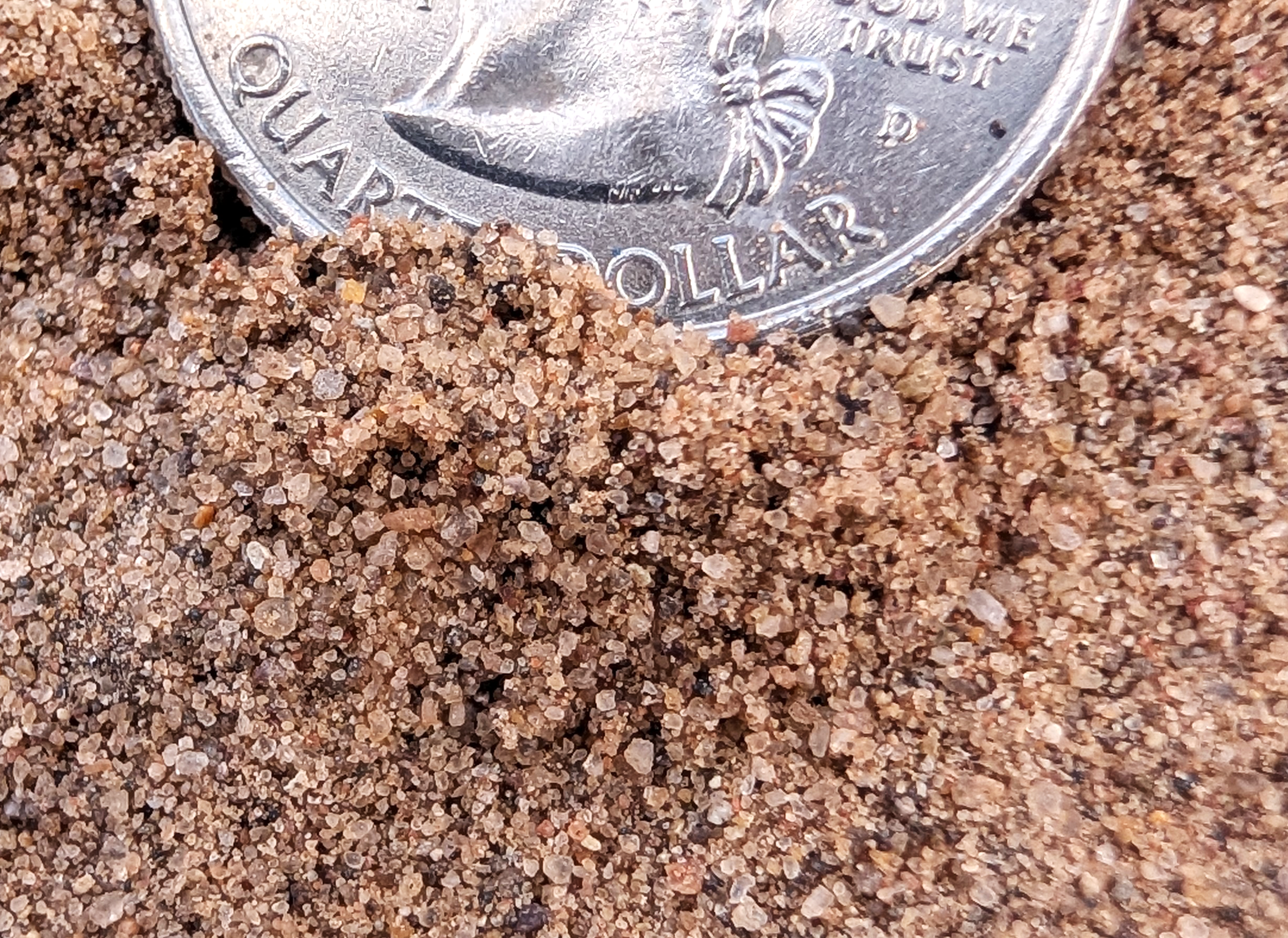
Sand grains with quarter for reference (Click image to enlarge)
Baseline Laboratory Analysis
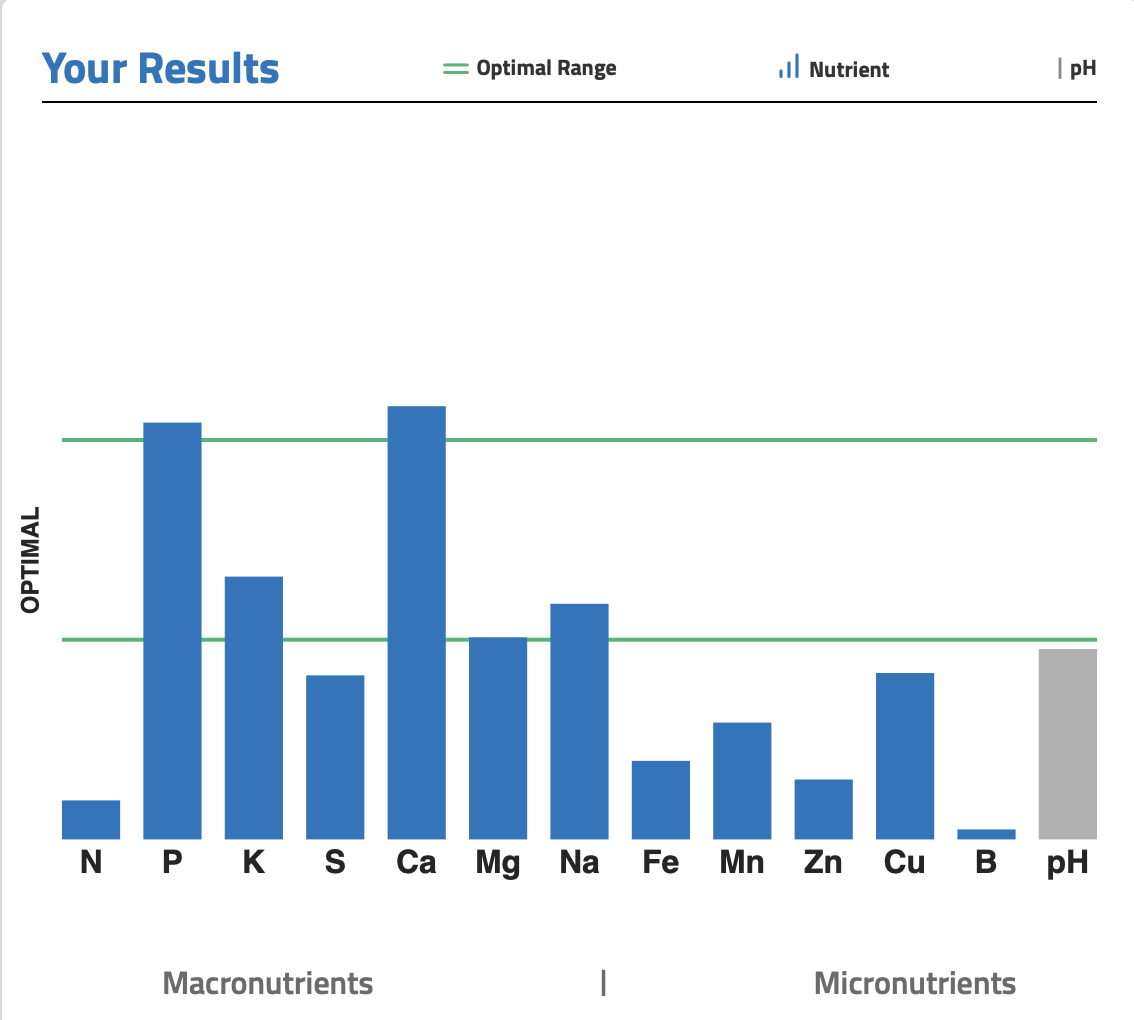
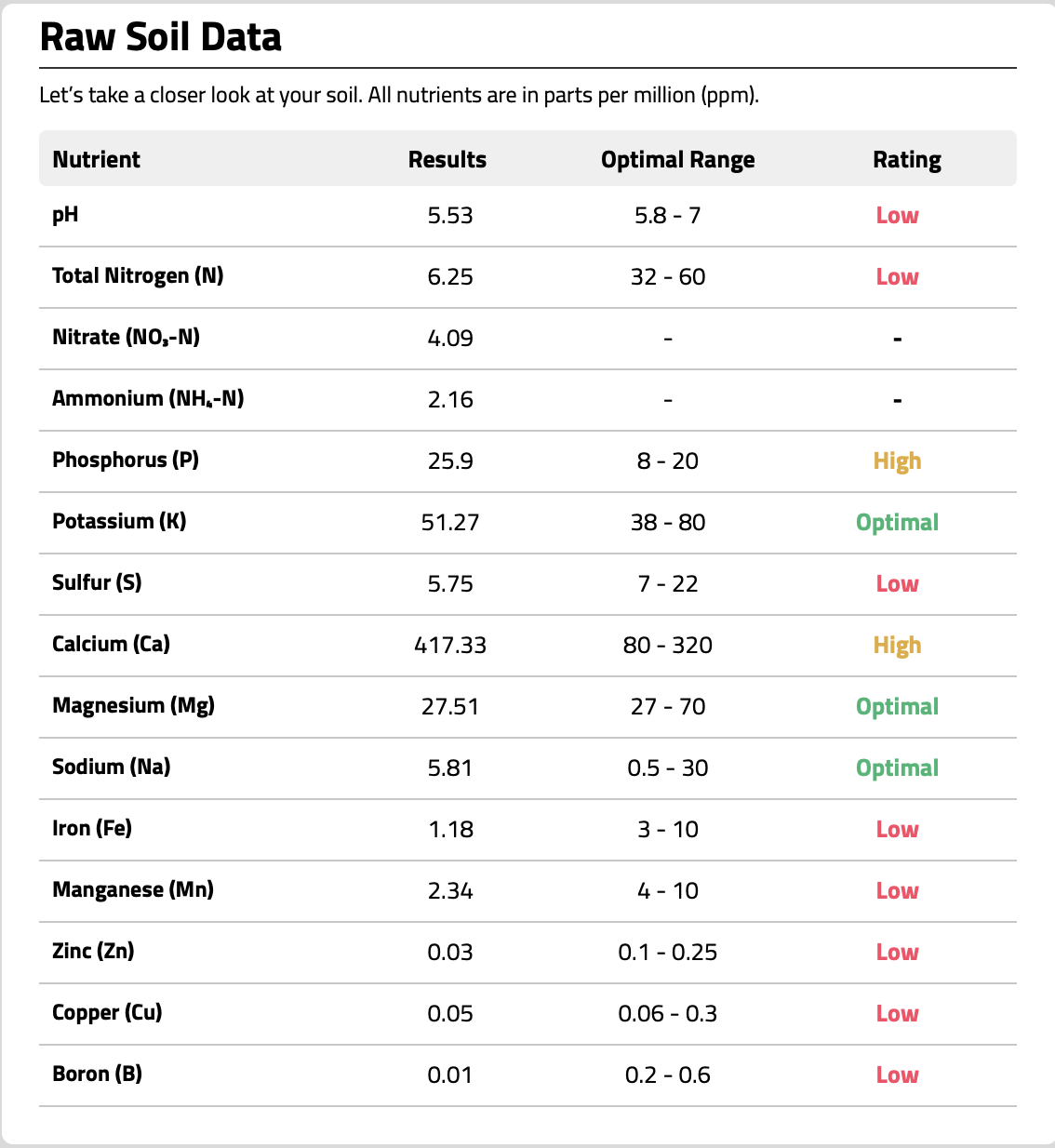
Initial soil testing established a baseline mineral prior to amendment. We used a simple Soil Test Kit from Amazon because it's simple and cheaper than out-of-state labortories.
Baseline Nutrient Graph
Baseline Parameter Details
Ingredients List
Initial trials utilizing retail commercial bagged supplements proved cost-prohibitive relative to the marginal benefits observed. To achieve economic and biological scalability, the farm transitioned to a localized, bulk-input approach utilizing municipal waste streams and mineral amendments.
Clickable List with links
Unamended desert sand
- Municipal Compost: Bulk organic matter to rebuild desert soil structure and microbial habitat. Free
- Municipal Fertilizer: Locally sourced high nitrogen supplement. Free
On-site shredded corrugated cardboard (Amazon packaging waste) using a cheapish and supprisingly tough shredder.
- Green Sand: Enhances moisture retention and cation exchange capacity.
- Azomite: Broad-spectrum trace mineral remineralization.
- Biochar: High-surface-area matrix for long-term moisture and microbial retention.
- Worm Castings: Inoculant delivering active beneficial biology and primary nutrients.
Current Amendment Recipe & Mixing Process
To optimize labor efficiency and ensure a homogeneous blend, all ingredients are mechanically combined using a portable electric cement mixer.
Standard Batch Proportions (Volumetric Ratio)
| Component / Amendment | Proportion / Volume |
|---|---|
| Native Sugar Sand | 3.0 parts |
| Municipal Compost | 3.0 parts |
| Biochar | 0.5 to 1.0 parts |
| Shredded Cardboard | 1.0 part |
| Municipal Fertilizer | 0.5 parts (Note: Subject to upward revision based on test results) |
| Worm Castings | 2 cups |
| Green Sand | 1/2 cup |
| Azomite | 1/2 cup |
| Water | 1/3 to 3/4 bucket (adjusted dynamically for moisture content and dust suppression) |
Post-Mixing Analysis & Corrective Action
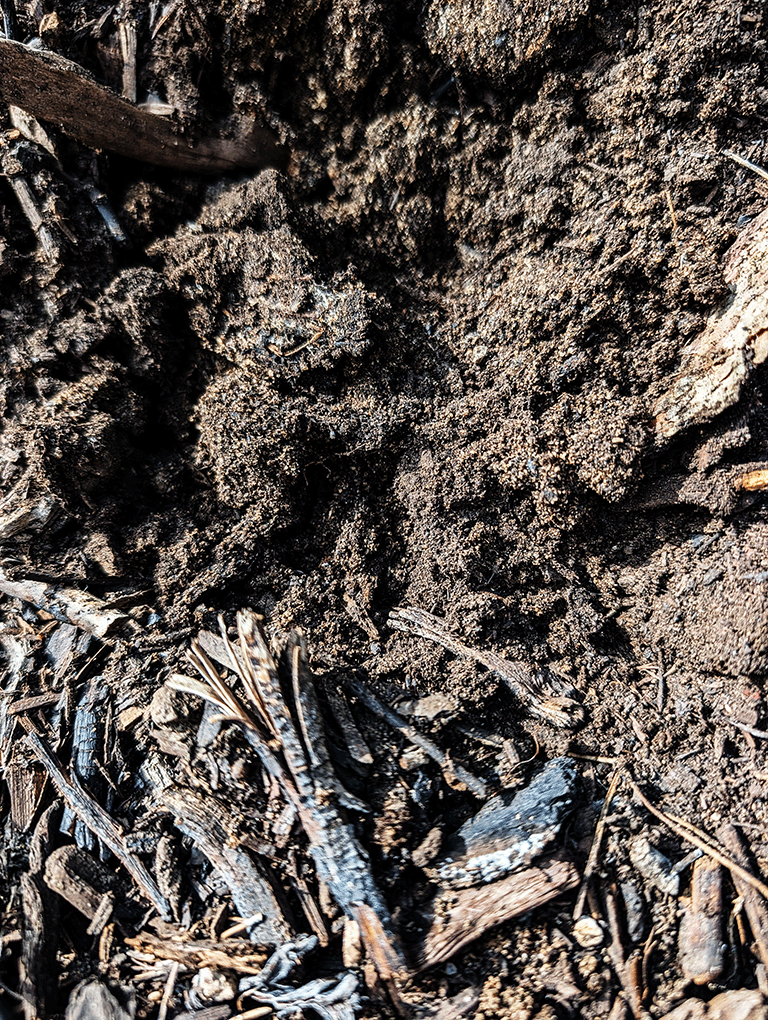
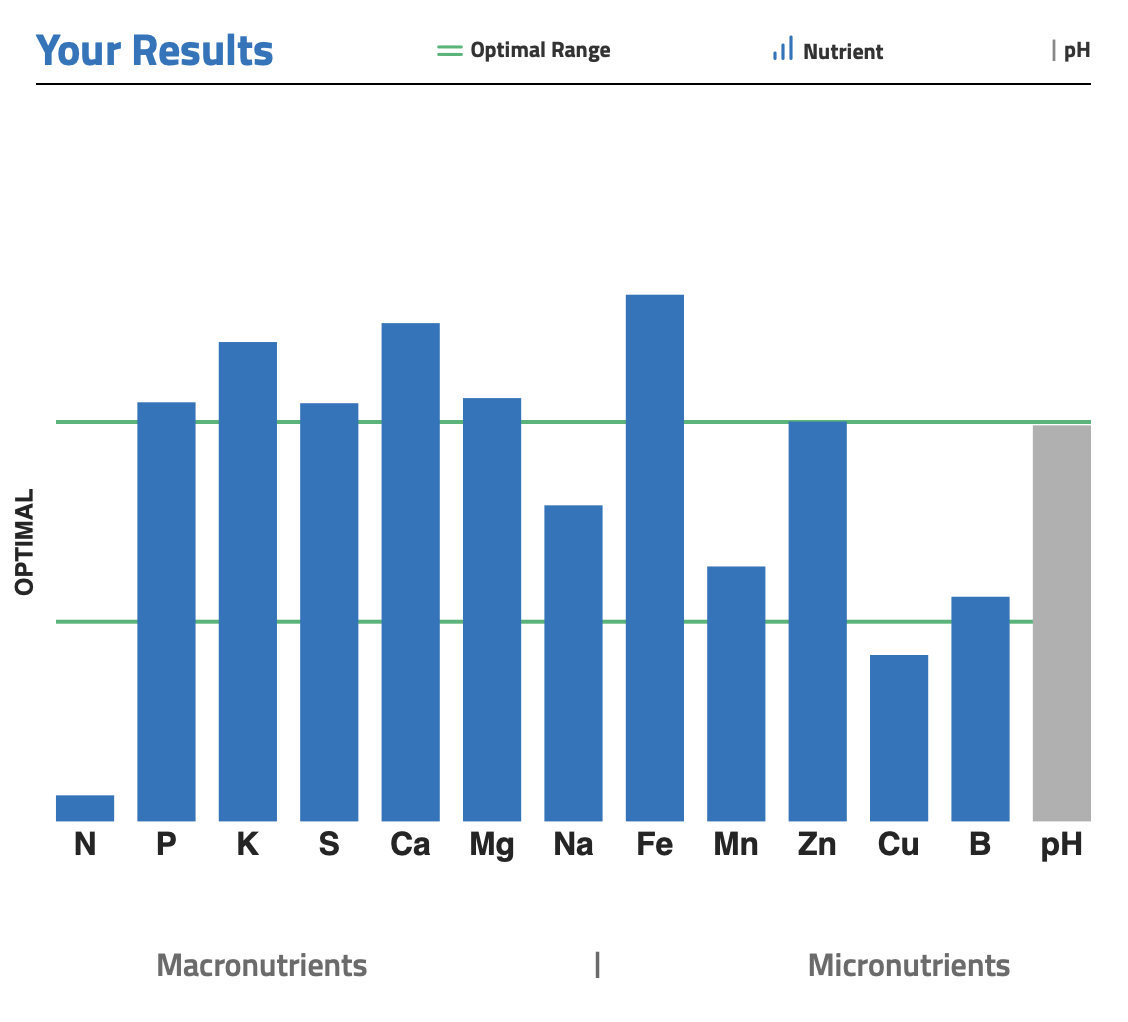
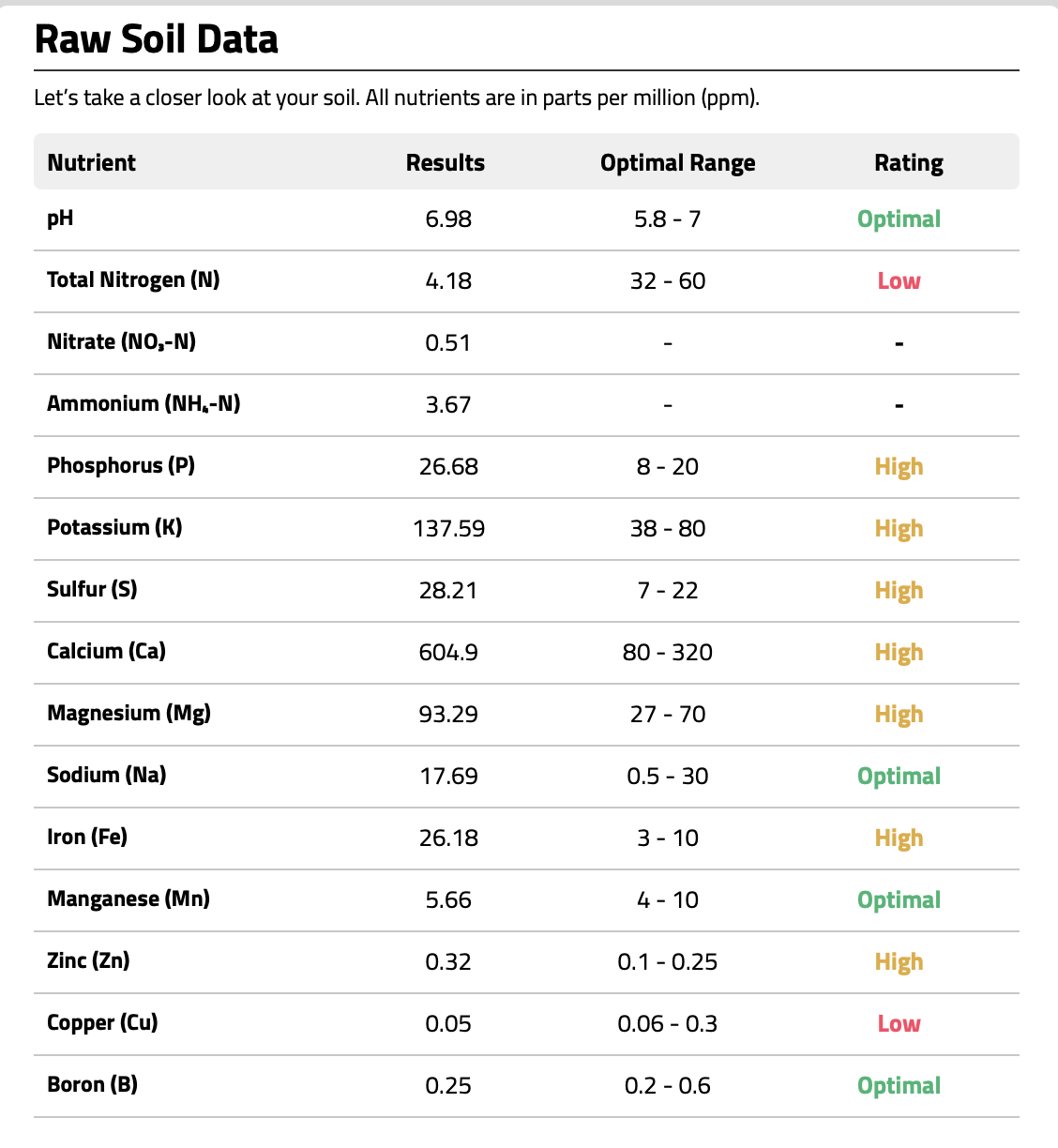
Laboratory testing of the cured composite mix indicated a significant improvement in nutrients and the organic matter and physical structure is visibly different.
Ammended Soil (Oct 26)
Augmented Soil Graph (Feb 26)
Augmented Soil Parameter Details
Action Plan
Increase the municipal fertilizer inclusion rate from 0.5 buckets to 1.0 bucket per batch to buffer microbial demand.
Continue with a nitrogen-fixing compost mulch and liquid fertilizer.
Conduct a follow-up round of laboratory testing to verify whether increased irrigation is leaching nutrients, and to measure how effectively the establishing microbial population is retaining and cycling nutrients within the root zone.